Scientific & Process Development
Scope
We co-ordinate desktop and experimental research and provide technical guidance and innovative solutions for nuclear fuels and materials. Our capabilities in this area include:
Research and technical advice for spent fuels and nuclear materials.
Nuclear technology development and innovation.
Fuel and material research.
Horizon scanning and identification of emerging trends.
Applied research and experimental development.
Technical leadership and cross-disciplinary technology integration.
Technology benchmarking and expert evaluation.
Operational research modelling.

Our Services
We provide cutting-edge scientific and technological support to advance the nuclear industry. Our team delivers research, development, and innovation across experimental projects, technology demonstrators, and digital modelling and simulation. We focus on improving nuclear processes to enhance product quality, reduce costs, and increase throughput. We assess the maturity and readiness of emerging technologies, conduct horizon scanning to identify future opportunities, and foster collaboration across sectors.
Our team is passionate about driving innovation in the nuclear industry through science and technology. We work closely with universities, national research institutes, and industrial partners, we enable effective technology transfer and promote cross-industry learning within the nuclear sector. Our collaborative approach ensures we bring the best ideas and perspectives from other sectors into the nuclear field.
Benefits
We work closely with industry partners and leading universities to design and deliver experimental programmes that produce robust, defensible evidence. You can have confidence in critical technical and strategic decisions.
Many of our team drawn from research and innovation roles, we bring a deep understanding of emerging technologies and scientific developments, enabling you to influence change and identify opportunities early.
We work beyond the UK nuclear sector, bringing proven approaches, fresh thinking, and global best practice, helping you avoid reinventing solutions and benefit from innovation in other industries.
Case Studies
Advancing Ceramic Wasteform Technology for Safer and More Sustainable Radioactive Waste Management
Eden NE aimed to develop advanced ceramic wasteforms for the immobilisation of radioactive waste. Our primary focus was to understand how the physicochemical characteristics of upstream powder materials influence the microstructure, mechanical performance, and overall quality of the final sintered wasteform.
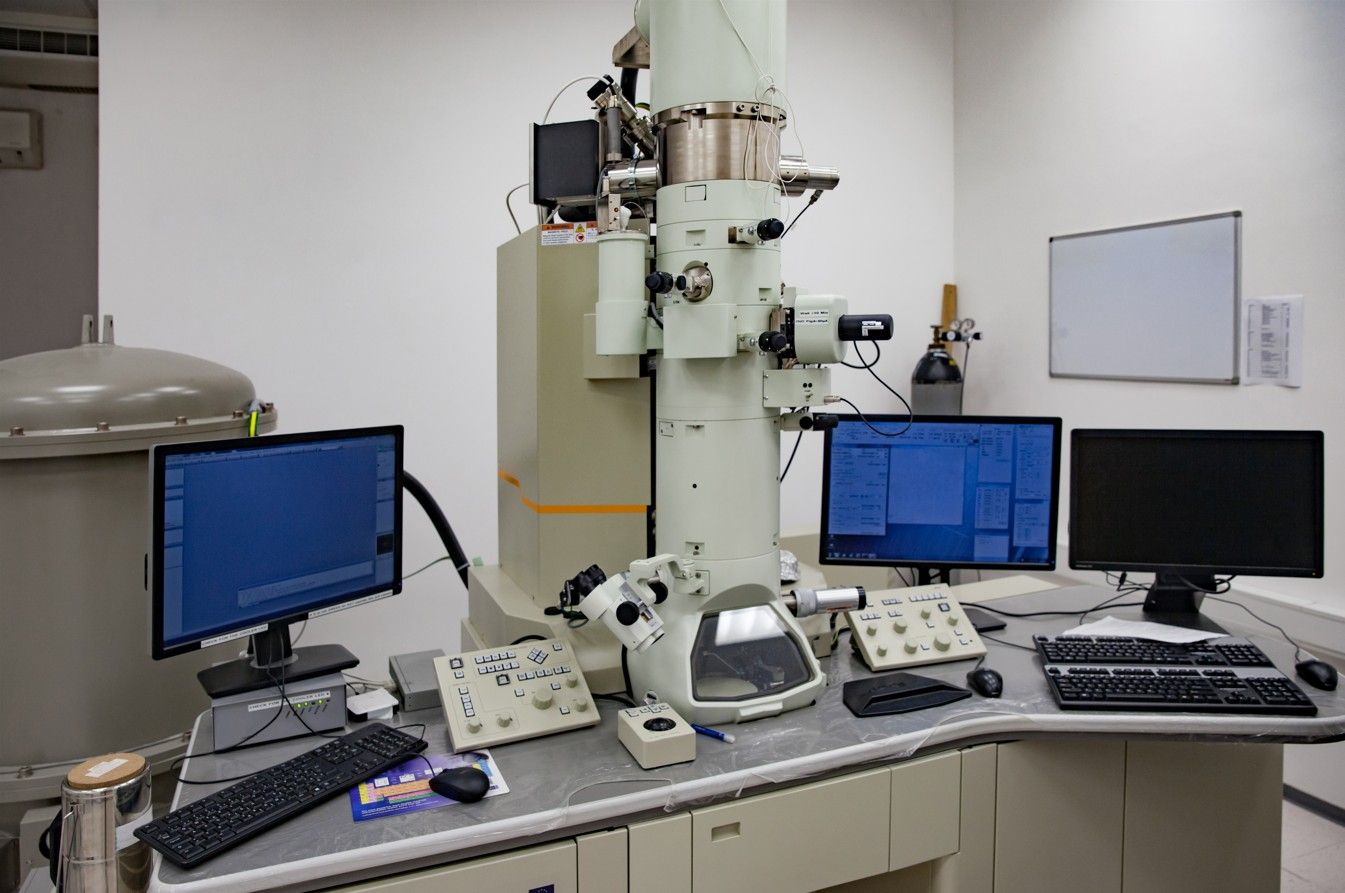
To support this, we analysed the supply chains of the powder materials and evaluated their environmental impacts through Lifecycle Impact Assessment (LCA). This enabled us to consider both technical performance and sustainability across the full material lifecycle. Working in partnership with universities and a specialist ceramics research organisation, we produced a diverse set of precursor powders and sintered ceramics. We employed a range of analytical and mechanical techniques, including powder rheometry, X-ray diffraction (XRD), electron microscopy, nanoindentation, and thermogravimetric analysis (TGA), to characterise these materials and capture critical processing data.
Using statistical analysis, we identified correlations between powder properties, processing parameters, and final wasteform performance. These insights guided the optimisation of both formulation and sintering conditions. Ultimately, our findings led us to recommend an alternative processing route that offered improved operational robustness, greater efficiency, and enhanced commercial viability.
Remote Sensing Advances Aim to Protect Workers and Improve Detection of Radioactive Materials
High radiation levels pose significant hazards to workers in the nuclear industry — dangers that can cause serious harm or even prove fatal. This reality drives a powerful incentive to create remote techniques for detecting and characterising radioactive and nuclear materials safely and efficiently.
To advance this goal, we carried out a horizon scan and technology maturity assessment of methods capable of remotely identifying actinide materials.
Traditional hands-on techniques come with major drawbacks:
- High risk to workers from manual handling, including potential for contaminated wounds or internal radiation doses.
- Environmental concerns due to wet chemistry–based measurement methods that generate waste or discharges.
- Slow turnaround times that delay critical insights and hinder timely operational or technical decisions.
To overcome these issues, we explored solutions that eliminate the need for manual sample collection and transport. Our focus was on systems that:
- Operate effectively at a distance (stand‑off measurements), keeping personnel safely away from radiation sources.
- Deliver results in near real time, allowing quicker and better‑informed decision‑making.
Our review examined a range of promising remote‑sensing techniques — including Laser‑Induced Breakdown Spectroscopy (LIBS), Raman spectroscopy, X‑ray fluorescence (XRF), alpha imaging, hyperspectral imaging (HSI), and electromagnetic breakdown detection. Each approach was evaluated for its technological maturity, information depth, instrument and measurement complexity, required operator expertise, and suitability across different sample types and environmental conditions.
Integrating Laser Ablation and Real‑Time Monitoring to Enhance Nuclear Decontamination Efficiency
Decontamination plays a vital role in the nuclear industry by minimising radioactive waste in line with the waste hierarchy. Traditional decontamination methods, however, often expose operators to radiation and generate significant volumes of secondary radioactive waste. Laser ablation is increasingly being explored as an alternative technique because it can be operated remotely and produces far less secondary waste.
In partnership with a university collaborator, we developed and executed an experimental programme focused on laser-based decontamination for nuclear applications. Using advanced thin-film deposition systems, we prepared a range of metal substrates coated with non-radioactive surrogate contaminants. Laser decontamination trials were then conducted, incorporating Laser-Induced Breakdown Spectroscopy (LIBS) to monitor contaminant removal and Optical Particle Sizing (OPS) to analyse ejected particulates. Additionally, Scanning Electron Microscopy (SEM) was employed to examine the cleaned surfaces. We further demonstrated that in-line HEPA filters, fitted to the sample chamber outlet, effectively reduced airborne particulate concentrations to near-background levels.
Want to hear more?
Our service area lead for scientific and process development is Jason Farrell.
Contact Us and ask for Jason in our contact form if you want to hear more.
Services
Website and all content Copyright© 2026 Eden Nuclear and Environment Ltd. All rights reserved
Registered address:
Unit 1 Mereside, Greenbank Road, Eden Business Park, Penrith, CA11 9FB.
Company number: 6314579. Registered in England and Wales.